Do you need a college degree to become a Sterile Processing Technician? Can you get hired without healthcare experience? And is CRCST certification mandatory?
These are common questions among people considering a career in sterile processing.
The good news is that many Sterile Processing Technician positions do not require a college degree. However, hospitals have specific expectations regarding technical knowledge, safety procedures, and professional qualifications.
Understanding these requirements can help you prepare for your first healthcare job.
What Are the Basic Sterile Processing Technician Requirements?
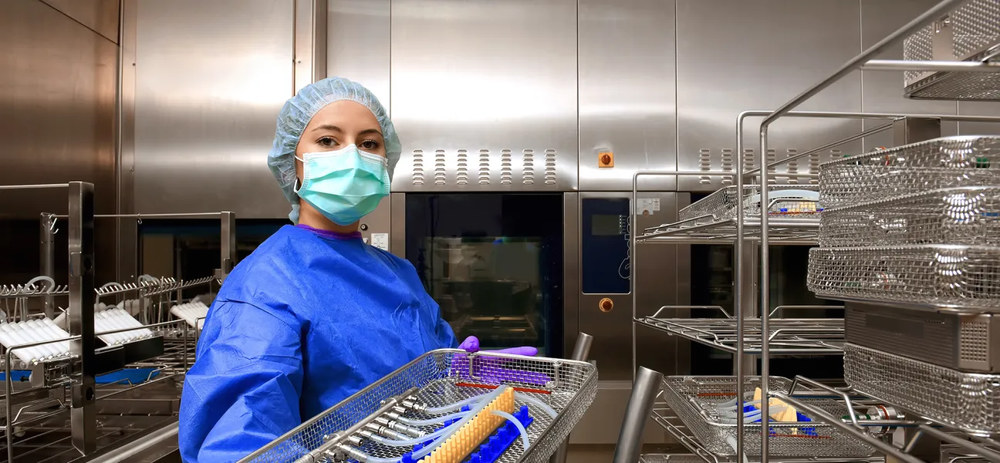
Sterile Processing Technicians are responsible for cleaning, inspecting, assembling, packaging, and sterilizing reusable surgical instruments.
They typically work in hospitals, outpatient surgery centers, and other healthcare facilities.
Common hiring requirements include:
- A high school diploma or GED, depending on the employer.
- Knowledge of infection prevention and sterilization procedures.
- Attention to detail and the ability to follow written instructions.
- Basic computer and documentation skills.
- Physical ability to stand for extended periods and handle instrument trays.
- Professional certification when required by the employer or applicable regulations.
Some hospitals provide training for entry-level employees, while others prefer applicants who have completed a sterile processing education program.
Do You Need a College Degree?
Most entry-level Sterile Processing Technician jobs do not require a bachelor’s degree.
Many employers accept candidates with a high school diploma or GED, provided they meet the position’s other requirements.
However, having no college degree does not mean the job requires no specialized knowledge.
Sterile processing involves medical terminology, infection prevention, surgical instruments, sterilization equipment, and strict quality standards.
Candidates who understand these subjects may be better prepared for technical interviews and workplace training.
Is CRCST Certification Required?
CRCST stands for Certified Registered Central Service Technician. It is a professional certification administered by the Healthcare Sterile Processing Association (HSPA).
Certification requirements vary by employer and state.
Some hospitals require CRCST certification before hiring. Others allow new employees to obtain certification within a specified period.
To earn full CRCST certification, candidates must:
- Pass the CRCST examination.
- Complete and document 400 hours of qualifying hands-on experience.
Candidates may take the examination before completing the practical requirement.
Those who pass can receive provisional certification and have six months to submit documentation of the required hands-on experience.
This option may be relevant to beginners who are preparing to enter the profession.
What Technical Skills Do Hospitals Expect?
Sterile Processing Technicians must understand several important areas of healthcare operations.
Infection Prevention and Decontamination
Technicians need to understand how contamination occurs and how to safely handle used surgical instruments.
They must follow established procedures and appropriate personal protective equipment requirements.
Surgical Instrument Identification
Sterile processing professionals work with different types of surgical instruments.
They need to recognize instrument categories, inspect devices for damage, and understand proper assembly procedures.
Sterilization Methods
Hospitals use different sterilization technologies depending on the instruments and medical devices being processed.
Technicians must understand sterilization principles, equipment operation, monitoring procedures, and manufacturer instructions.
Documentation and Quality Control
Sterile processing departments maintain records related to instrument processing and sterilization cycles.
Accuracy is essential because proper documentation supports traceability and patient safety.
What Physical Requirements Should You Expect?
Sterile processing is not a desk job.
Depending on the facility, technicians may spend much of their shifts standing, walking, moving instrument carts, and handling heavy trays.
The work can also involve exposure to contaminated instruments, cleaning chemicals, heat, and noisy equipment.
Hospitals establish workplace safety procedures and provide required protective equipment.
Before applying, review the physical requirements listed in the job description to determine whether the position is suitable for you.
Can You Become a Sterile Processing Technician Without Experience?
Yes. Some hospitals hire candidates without previous sterile processing experience.
However, applicants may still need relevant training, certification, or the ability to meet certification requirements after hiring.
Employers often look for transferable skills such as reliability, organization, attention to detail, and experience following safety procedures.
Candidates coming from manufacturing, warehouses, food service, or other industries may already possess some of these abilities.
Nevertheless, previous work experience does not replace the technical knowledge required for processing medical instruments.
How to Prepare for Sterile Processing Technician Jobs
One way to build the necessary knowledge is through a structured training program.
For example, Multyprep offers a 14-week Sterile Processing Technician program with 168 hours of live online instruction.
Students attend Zoom classes with experienced instructors, ask questions in real time, and prepare for the CRCST examination using more than 1,000 practice questions.
The curriculum covers essential sterile processing subjects, including infection prevention, decontamination, surgical instruments, sterilization, and quality assurance.
Online education provides theoretical preparation but does not replace the 400 hours of hands-on experience required for full CRCST certification.
What Do Hospitals Look for During Interviews?
In addition to technical knowledge, hiring managers evaluate how candidates approach responsibility and workplace procedures.
Common interview topics include:
Attention to detail: Can you identify mistakes and follow established procedures?
Teamwork: Are you comfortable coordinating with colleagues and other hospital departments?
Safety awareness: Do you understand why infection prevention procedures must be followed consistently?
Reliability: Can you maintain accuracy during repetitive tasks and busy shifts?
Willingness to learn: Are you prepared to complete additional training and meet certification requirements?
Applicants without healthcare experience should use examples from previous jobs to demonstrate relevant skills.
How to Find Entry-Level Sterile Processing Positions
Search hospital career websites, outpatient surgery centers, and major employment platforms.
Useful job titles include Sterile Processing Technician, Central Sterile Technician, Central Service Technician, and Sterile Processing Technician I.
When reviewing vacancies, pay attention to phrases such as “Certification Preferred,” “Experience Preferred,” and “Certification Required Within 12 Months.”
These details can help identify positions that may consider beginners.
Requirements differ among employers, so always read the complete job description before applying.
Start Preparing for a Sterile Processing Career
Becoming a Sterile Processing Technician does not necessarily require years of college education or previous hospital employment.
However, the profession demands specialized knowledge, careful attention to safety, and compliance with certification requirements.
Before applying for jobs, research local hospital expectations and determine whether additional education would strengthen your qualifications.
If you’re considering professional training, explore the Sterile Processing Technician course to learn about live online instruction and CRCST exam preparation.
With appropriate preparation and a clear understanding of employer requirements, beginners can take meaningful steps toward entering the sterile processing profession.